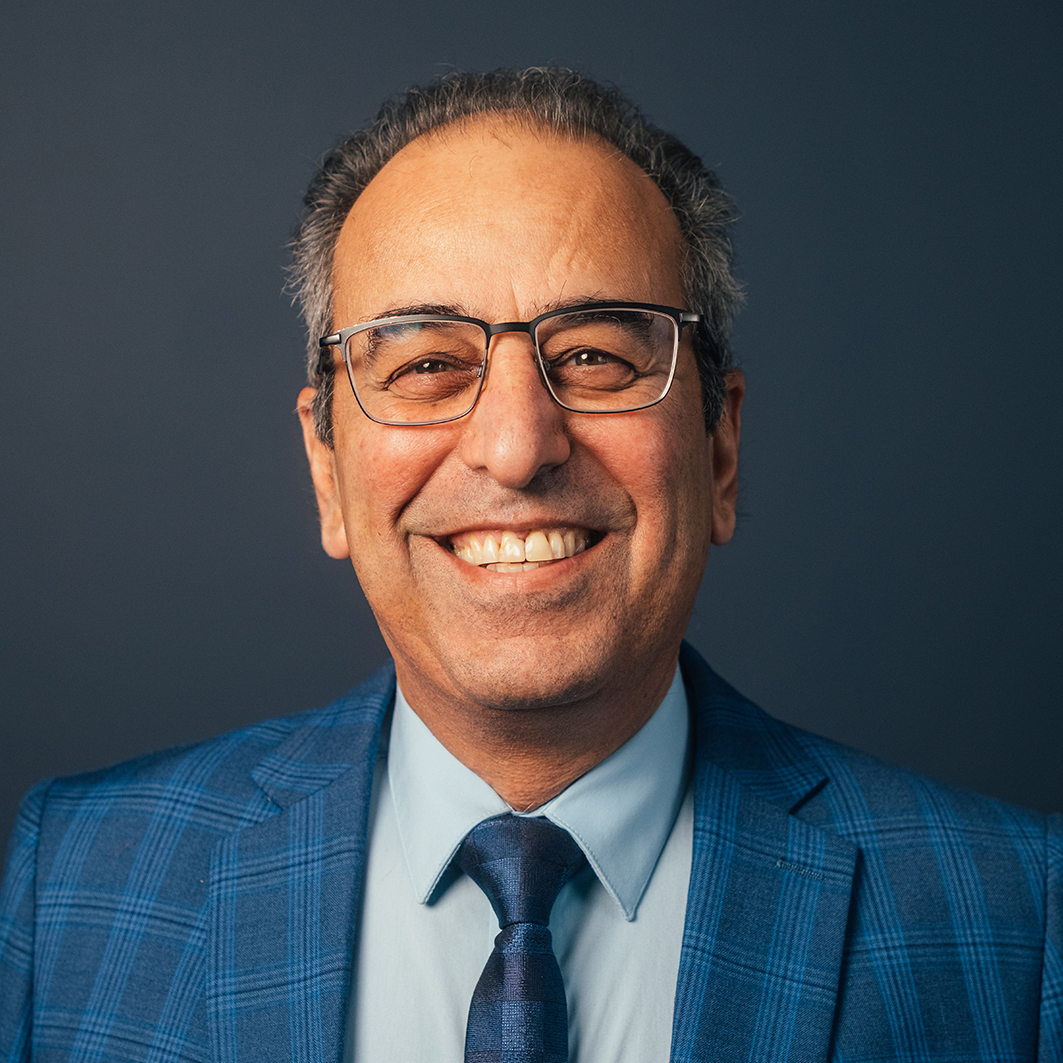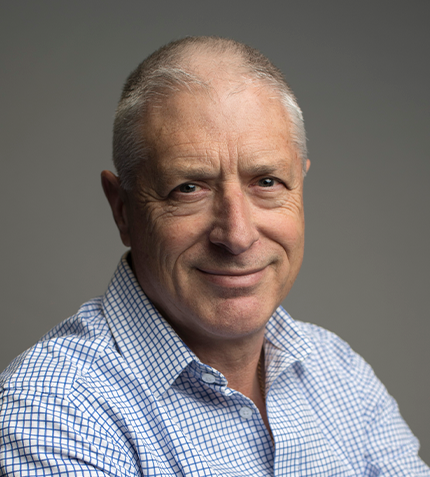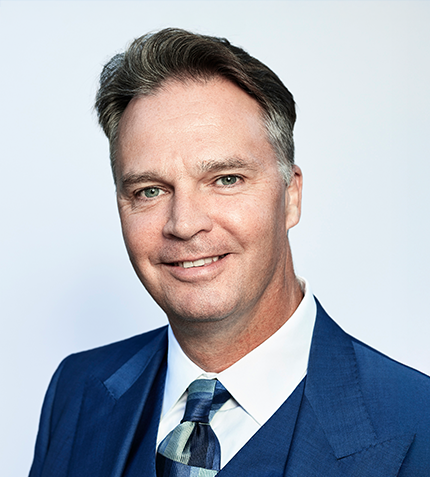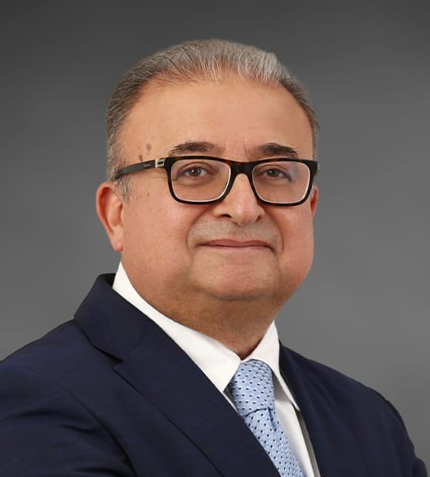
“We’ve found that we can de-risk all our transactions through data-driven risk assessment, local insight, and operational partnerships.”
Share
Could you introduce Loinette Capital and the financing model you offer?
We are a Mauritius-based niche asset finance business that offers finance to OEM dealers and their end customers in the earthmoving, construction, and agricultural equipment sectors. Loinette operates in the gap between the smaller, more niche local banks and the big international banks – a space where SME contractors struggle to find capital. We work exclusively in Sub-Saharan Africa.
Our competitive edge lies in a deep industry understanding, with hands-on knowledge of the financed assets. Loinette forms strategic partnerships with in-country OEM dealers, who enter into formal co-operation agreements with us through which our mutual responsibilities towards the machine and client are enshrined. Protecting the residual value of that asset (the equipment that we finance) by ensuring it is properly serviced and maintained is a cornerstone of our loan-to-value model. We also maintain close, long-term partnerships with globally recognized brands and their networks.
At Loinette, we say that “we finance productivity, not paperwork.” We turn the equipment into a durable balance sheet value by pairing capital with the in-country dealer ecosystems that safeguard that asset’s performance, resale value, and uptime.
Could you elaborate on the financing gap your customers are typically in and the type of dealers you finance?
Getting finance for either one machine or more than 20 machines is usually feasible, with the smaller loans usually picked up by local banks and the large ones by the big international finance companies. However, that in-between range of more than one but fewer than 20 machines is very tricky. Contractors, and consequently their OEM dealers, are caught in that gap. At Loinette, we offer a two-tier approach, which speaks not necessarily about the quality of the machine but about the quality of the dealer network. You will find that top brands like John Deere, Komatsu, Volvo, Bell, Hitachi, Liebherr, and others also have significantly better and more established dealer infrastructure, having been on the continent longer, with multiple branches and regional structures in place. Meanwhile, newer entrants are still developing their dealer networks, and that makes them second-tier. Below tier two, we are talking about a dealer network in its infancy, at which stage it is very difficult for us to provide support.
What type of financing products does Loinette Capital offer?
Broadly speaking, we have developed five products. The first is our Fast Track Finance, which caters to dealers of fast-moving equipment – the 20-t excavator type of equipment used in the construction sector that moves very quickly, becoming almost like a commodity.
Next is our Machinery Inventory Finance, tailored for both new entrants and existing players that need extra credit facilities to buy more machines.
Third is our Receivables Repurchase Program. Many dealers offer their own financing to customers because they need to act faster than banks or financiers to close sales. The cash tied up in customer loans becomes “receivables.” We buy those receivables from the dealer (a process also called factoring), which allows the dealer to free up cash flow that they can reinvest.
Our fourth product type is our Seasonal Sectoral Finance. This is relevant not just for agriculture but also for the mining space, where you have high-rainfall and low-rainfall seasons.
Last, is our Fleet Financing Solutions, our main product. We finance between US$300,000 (a few machines) and US$8 million (20 machines).
How does Loinette Capital assess and manage risks?
Africa’s investment risk is often misrepresented and mispriced. The perception of risk exceeds reality. What we’ve found is that we can de-risk all our transactions through data-driven risk assessment, local insight, and operational partnerships. As lenders, we look at collateral, but we see collateral as more than just the metal underpinning the asset. Instead, we also see the collateral as the service network that keeps the metal productive. Due diligence is also key. Our customers are often under pressure to acquire equipment to start contracts in a very short space of time, we never do a transaction without an on-site visit. We meet every single customer and every single dealer.
How do you safeguard that the equipment you finance retains value and is maintained in good condition?
Loinette Capital is one of the only independent finance companies that uses a sophisticated telematic methodology, which allows us to see multiple OEM brand telematics in one picture. That means we can assess and manage – and therefore finance – a multi-brand fleet. Integrated with the OEM’s onboard telematics, the system tells us when a machine is working, when it is idle, or when it needs a service. We can then alert our SME customers if we detect a technical issue with the machine we financed for them.
Our average book is about 24 to 28 months, but the nature of the work influences the life cycle of that asset. For a heavy-duty application, we know that the SME is likely to need to undertake high-end maintenance sooner in the lifecycle, so the amortization is aligned accordingly.
What are your priorities moving forward?
A major priority is deepening our partnerships with OEMs and in-country dealers. We are also expanding our SME and contractor financing programs, which are central to Africa’s growth story. Empowering local contractors to operate high-quality equipment allows them to compete and deliver services more effectively in their own markets.
Sustainability and responsible lending are also strong operational pillars. ESG application differs between developed and developing economies. In Africa, we see our contribution as helping small and mid-sized contractors access modern, efficient equipment. Many still use machines that are 15–20 years old, which are less fuel-efficient and environmentally compliant. While EV equipment is not yet viable in most regions due to infrastructure gaps, enabling contractors to upgrade to the latest conventional technology reduces emissions, improves productivity, and helps them meet their clients’ ESG criteria. When it comes to job creation, we actually track the multiplier effect of every transaction through our internal impact matrix. On average, each financed machine generates four revenue-producing jobs, positively influencing around 16 people. That, to us, is how you build economies: by enabling sustainable livelihoods rather than providing short-term support.
Do you have a final message?
Our business model is built on a deep understanding of the machine, the dealer, and the operator, not just the balance sheet. This approach enables us to deliver innovative financing solutions that address a major funding gap in the market by assessing the full operating ecosystem rather than purely financial statements.

Could you introduce Loinette Capital and the financing model you offer?
We are a Mauritius-based niche asset finance business that offers finance to OEM dealers and their end customers in the earthmoving, construction, and agricultural equipment sectors. Loinette operates in the gap between the smaller, more niche local banks and the big international banks – a space where SME contractors struggle to find capital. We work exclusively in Sub-Saharan Africa.
Our competitive edge lies in a deep industry understanding, with hands-on knowledge of the financed assets. Loinette forms strategic partnerships with in-country OEM dealers, who enter into formal co-operation agreements with us through which our mutual responsibilities towards the machine and client are enshrined. Protecting the residual value of that asset (the equipment that we finance) by ensuring it is properly serviced and maintained is a cornerstone of our loan-to-value model. We also maintain close, long-term partnerships with globally recognized brands and their networks.
At Loinette, we say that “we finance productivity, not paperwork.” We turn the equipment into a durable balance sheet value by pairing capital with the in-country dealer ecosystems that safeguard that asset’s performance, resale value, and uptime.
Could you elaborate on the financing gap your customers are typically in and the type of dealers you finance?
Getting finance for either one machine or more than 20 machines is usually feasible, with the smaller loans usually picked up by local banks and the large ones by the big international finance companies. However, that in-between range of more than one but fewer than 20 machines is very tricky. Contractors, and consequently their OEM dealers, are caught in that gap. At Loinette, we offer a two-tier approach, which speaks not necessarily about the quality of the machine but about the quality of the dealer network. You will find that top brands like John Deere, Komatsu, Volvo, Bell, Hitachi, Liebherr, and others also have significantly better and more established dealer infrastructure, having been on the continent longer, with multiple branches and regional structures in place. Meanwhile, newer entrants are still developing their dealer networks, and that makes them second-tier. Below tier two, we are talking about a dealer network in its infancy, at which stage it is very difficult for us to provide support.
What type of financing products does Loinette Capital offer?
Broadly speaking, we have developed five products. The first is our Fast Track Finance, which caters to dealers of fast-moving equipment – the 20-t excavator type of equipment used in the construction sector that moves very quickly, becoming almost like a commodity.
Next is our Machinery Inventory Finance, tailored for both new entrants and existing players that need extra credit facilities to buy more machines.
Third is our Receivables Repurchase Program. Many dealers offer their own financing to customers because they need to act faster than banks or financiers to close sales. The cash tied up in customer loans becomes “receivables.” We buy those receivables from the dealer (a process also called factoring), which allows the dealer to free up cash flow that they can reinvest.
Our fourth product type is our Seasonal Sectoral Finance. This is relevant not just for agriculture but also for the mining space, where you have high-rainfall and low-rainfall seasons.
Last, is our Fleet Financing Solutions, our main product. We finance between US$300,000 (a few machines) and US$8 million (20 machines).
How does Loinette Capital assess and manage risks?
Africa’s investment risk is often misrepresented and mispriced. The perception of risk exceeds reality. What we’ve found is that we can de-risk all our transactions through data-driven risk assessment, local insight, and operational partnerships. As lenders, we look at collateral, but we see collateral as more than just the metal underpinning the asset. Instead, we also see the collateral as the service network that keeps the metal productive. Due diligence is also key. Our customers are often under pressure to acquire equipment to start contracts in a very short space of time, we never do a transaction without an on-site visit. We meet every single customer and every single dealer.
How do you safeguard that the equipment you finance retains value and is maintained in good condition?
Loinette Capital is one of the only independent finance companies that uses a sophisticated telematic methodology, which allows us to see multiple OEM brand telematics in one picture. That means we can assess and manage – and therefore finance – a multi-brand fleet. Integrated with the OEM’s onboard telematics, the system tells us when a machine is working, when it is idle, or when it needs a service. We can then alert our SME customers if we detect a technical issue with the machine we financed for them.
Our average book is about 24 to 28 months, but the nature of the work influences the life cycle of that asset. For a heavy-duty application, we know that the SME is likely to need to undertake high-end maintenance sooner in the lifecycle, so the amortization is aligned accordingly.
What are your priorities moving forward?
A major priority is deepening our partnerships with OEMs and in-country dealers. We are also expanding our SME and contractor financing programs, which are central to Africa’s growth story. Empowering local contractors to operate high-quality equipment allows them to compete and deliver services more effectively in their own markets.
Sustainability and responsible lending are also strong operational pillars. ESG application differs between developed and developing economies. In Africa, we see our contribution as helping small and mid-sized contractors access modern, efficient equipment. Many still use machines that are 15–20 years old, which are less fuel-efficient and environmentally compliant. While EV equipment is not yet viable in most regions due to infrastructure gaps, enabling contractors to upgrade to the latest conventional technology reduces emissions, improves productivity, and helps them meet their clients’ ESG criteria. When it comes to job creation, we actually track the multiplier effect of every transaction through our internal impact matrix. On average, each financed machine generates four revenue-producing jobs, positively influencing around 16 people. That, to us, is how you build economies: by enabling sustainable livelihoods rather than providing short-term support.
Do you have a final message?
Our business model is built on a deep understanding of the machine, the dealer, and the operator, not just the balance sheet. This approach enables us to deliver innovative financing solutions that address a major funding gap in the market by assessing the full operating ecosystem rather than purely financial statements.