“Copper smelting opportunities in the Kingdom are supported by strong global demand projections, logistical advantages, and government backing for domestic mining and downstream processing.”
Share
Can you introduce Glencore Technology and how it supports the mining and metals industry?
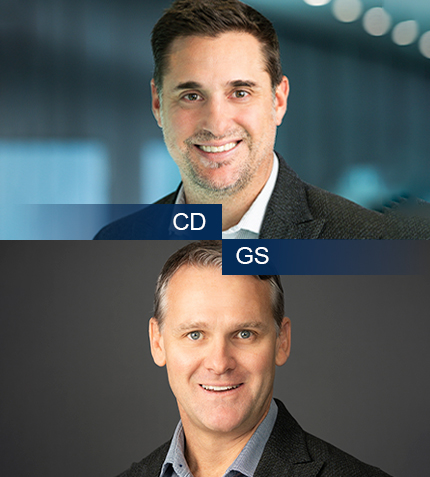
CD: As part of the Glencore group, we maintain strong operational roots, ensuring that technology is seamlessly integrated into real-world operations. Beyond technology, we offer specialist consulting services to support our clients, including both Glencore and the broader global mining industry.
In the Middle East, including Saudi Arabia, we have engaged in projects with a range of copper smelting companies. Through Glencore’s Dubai trading hub and extensive market knowledge, we are well positioned to maximize the impact of our equipment and solutions in the region.
What makes Saudi Arabia a key market for mining and metals growth?
CD: Saudi Arabia presents strong opportunities for mining, with Vision 2030 providing infrastructure, logistics, and competitively priced power to support investment and growth. Glencore Technology is well positioned to support the full mining value chain, from resource development in the Arabian Shield through to refining, helping clients turn resources into economically viable projects.
Copper smelting opportunities in the Kingdom are supported by strong global demand projections, logistical advantages, and government backing for domestic mining and downstream processing. These factors enable the development of long-term, sustainable smelters that can operate efficiently while managing supply and market risks.
GS: Saudi Arabia recognizes the importance of high-quality technology and innovation, and we believe our solutions can deliver real value. We play an active role in shaping the industry, setting new benchmarks that influence competitors and the wider market. Our innovations address industry wide challenges such as lower ore grades, energy efficiency, and other growing pressures in mining.
Can you explain what sets your smelting solutions apart?
CD: Copper smelting is a very competitive and demanding industry, especially for custom smelters, which often depend on government support and integration with downstream sectors such as wire, rod or battery materials. Our ISASMELT technology processes a wide range of concentrates, including those with elevated deleterious elements, ensuring cleaner products and improved off-gas management. It can also integrate e-scrap with concentrates, boosting material recovery and domestic recycling. That flexibility is key to enabling higher margin feed sources for our clients.
In refining, our ISAKIDD technology – contributing to over 50% of global copper production – leverages AI, robotics and advanced automation to deliver high efficiency and consistent quality. Together, these solutions give custom smelters greater flexibility to handle diverse feedstocks reliably and efficiently.
GS: Most smelters operate for 40 years or more, during which market, geopolitical, and feed conditions can change. Flexibility in processing different feeds de-risks production and keeps assets efficient and profitable for decades, making them highly reliable, trusted and widely implemented across the mining industry. Clients can also visit operating sites, speak with operators and see proven results firsthand.
What role does your technology play in sustainable and responsible mining practices?
CD: Sustainability is embedded in all aspects of our technology. First, by efficiently recovering minerals that would otherwise end up in tailings, we reduce waste, energy use, and overall operational costs. Second, we actively support reprocessing of existing tailings.
Using small-scale, modular plants and technologies like high-intensity Jameson Flotation Cells, we can recover valuable material from ultra-fine and coarse fractions that are typically lost to tailings with traditional technologies. In doing so we can often backfill underground mines and reduce surface impact and closure cost. The Albion Process™ further supports sustainability by enabling complex refractory orebodies to be economically processed at variable scale, allowing operators to produce final metal products at the mine gate and avoid the costly transport of concentrates. Together, these approaches reduce environmental impact, improve resource utilization, and minimize the footprint of new facilities, delivering a more sustainable path for mining and processing globally.
GS: In response to declining ore grades and the need for higher throughput, we have adapted and scaled our technology to handle larger ore bodies efficiently. While metal content per ton may be lower, our solutions allow operators to maintain output by processing greater volumes with optimized energy use, lower capital expenditure, and reduced operating costs. These adaptations ensure our technology remains effective for very large concentrators and positions operators to meet future industry demands while maintaining economic and operational efficiency.
Can you introduce Glencore Technology and how it supports the mining and metals industry?
CD: As part of the Glencore group, we maintain strong operational roots, ensuring that technology is seamlessly integrated into real-world operations. Beyond technology, we offer specialist consulting services to support our clients, including both Glencore and the broader global mining industry.
In the Middle East, including Saudi Arabia, we have engaged in projects with a range of copper smelting companies. Through Glencore’s Dubai trading hub and extensive market knowledge, we are well positioned to maximize the impact of our equipment and solutions in the region.
What makes Saudi Arabia a key market for mining and metals growth?
CD: Saudi Arabia presents strong opportunities for mining, with Vision 2030 providing infrastructure, logistics, and competitively priced power to support investment and growth. Glencore Technology is well positioned to support the full mining value chain, from resource development in the Arabian Shield through to refining, helping clients turn resources into economically viable projects.
Copper smelting opportunities in the Kingdom are supported by strong global demand projections, logistical advantages, and government backing for domestic mining and downstream processing. These factors enable the development of long-term, sustainable smelters that can operate efficiently while managing supply and market risks.
GS: Saudi Arabia recognizes the importance of high-quality technology and innovation, and we believe our solutions can deliver real value. We play an active role in shaping the industry, setting new benchmarks that influence competitors and the wider market. Our innovations address industry wide challenges such as lower ore grades, energy efficiency, and other growing pressures in mining.
Can you explain what sets your smelting solutions apart?
CD: Copper smelting is a very competitive and demanding industry, especially for custom smelters, which often depend on government support and integration with downstream sectors such as wire, rod or battery materials. Our ISASMELT technology processes a wide range of concentrates, including those with elevated deleterious elements, ensuring cleaner products and improved off-gas management. It can also integrate e-scrap with concentrates, boosting material recovery and domestic recycling. That flexibility is key to enabling higher margin feed sources for our clients.
In refining, our ISAKIDD technology – contributing to over 50% of global copper production – leverages AI, robotics and advanced automation to deliver high efficiency and consistent quality. Together, these solutions give custom smelters greater flexibility to handle diverse feedstocks reliably and efficiently.
GS: Most smelters operate for 40 years or more, during which market, geopolitical, and feed conditions can change. Flexibility in processing different feeds de-risks production and keeps assets efficient and profitable for decades, making them highly reliable, trusted and widely implemented across the mining industry. Clients can also visit operating sites, speak with operators and see proven results firsthand.
What role does your technology play in sustainable and responsible mining practices?
CD: Sustainability is embedded in all aspects of our technology. First, by efficiently recovering minerals that would otherwise end up in tailings, we reduce waste, energy use, and overall operational costs. Second, we actively support reprocessing of existing tailings.
Using small-scale, modular plants and technologies like high-intensity Jameson Flotation Cells, we can recover valuable material from ultra-fine and coarse fractions that are typically lost to tailings with traditional technologies. In doing so we can often backfill underground mines and reduce surface impact and closure cost. The Albion Process™ further supports sustainability by enabling complex refractory orebodies to be economically processed at variable scale, allowing operators to produce final metal products at the mine gate and avoid the costly transport of concentrates. Together, these approaches reduce environmental impact, improve resource utilization, and minimize the footprint of new facilities, delivering a more sustainable path for mining and processing globally.
GS: In response to declining ore grades and the need for higher throughput, we have adapted and scaled our technology to handle larger ore bodies efficiently. While metal content per ton may be lower, our solutions allow operators to maintain output by processing greater volumes with optimized energy use, lower capital expenditure, and reduced operating costs. These adaptations ensure our technology remains effective for very large concentrators and positions operators to meet future industry demands while maintaining economic and operational efficiency.