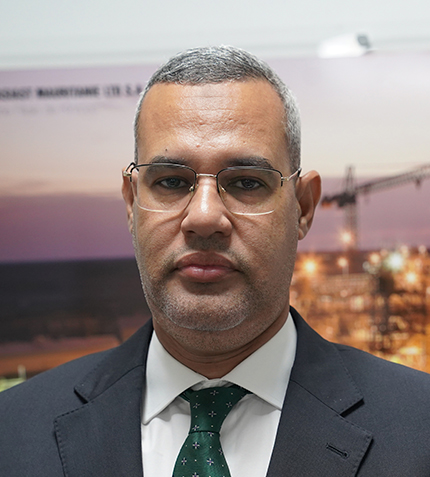

“With 80% to 85% of the country still lacking access to power, there is a huge opportunity for energy companies, and room for many more to enter this market.”
Share
Could you provide some background on Dev Solaire?
Dev Solaire was started in 2010 and specializes in delivering solar energy solutions across the DRC. We provide high-quality solar equipment and electronics, as well as installation services, ultimately operating on an EPC model. While most solar providers have been chasing heavy-use industrial consumers, we have been focusing on filling the electrification gap, especially in underserved, remote, and rural areas. Our vision, and the next step in our growth, is to become an energy provider (Independent Power Producer/IPP).
Could you tell us more about why you focus on residential and rural areas as opposed to industry?
Most of the power generated in the DRC is allocated to the mines, leaving a huge energy deficit for the rest of the population, especially in rural areas. Rather than targeting the mining sector, Dev Solaire wants to bring solar solutions to the common people in the country. We have been very active in bringing mini-grids to villages. For example, Dev Solaire is constructing a 1 MW solar plant in Katanga and has already completed 200 kW, which we are supplying to surrounding houses and the airport.
Dev Solaire is working with the World Bank on a 6 MW solar project for the University of Kinshasa. Could you elaborate?
The project is due to be completed in April 2026 and is one of the largest solar energy projects in Kinshasa. The University’s energy need is about 10 MW to 12 MW, but this solar project will significantly reduce its demand from the national grid provider, SNEL. Once completed, the project can be further scaled according to needs. This is an example of how we work with multilateral organizations to bring affordable, reliable, and sustainable energy to key locations.
Can you tell our readers more about electrification gap in the DRC and how that drives solar demand?
Official data indicates that 20% of the 109 million people living in the DRC have access to electricity. I believe the actual electrification rate is much lower than 20%, as the infrastructure is aging while demand continues to grow. Thanks to technological advancements and the scalability of these technologies, solar energy has become the most attractive source of energy, meeting sustainability, affordability, and reliability criteria. This presents a significant opportunity for us to help narrow the electrification gap.
How is the DRC incentivizing investment in the energy sector?
The DRC continues to make efforts to encourage investment in the country, such as privatizing the energy sector and providing tax incentives and duty exemptions for companies investing in energy. The National Rural and Peri-urban Electrification and Energy Services Agency (ANSER) is in charge of rural electrification and has opened its doors to anyone who wants to establish themselves in the DRC’s energy market. However, there are specific procedures and guidelines to follow to make doing business in the DRC easier and more successful. As an indigenous company, Dev Solaire has deep local market knowledge and understands the best strategies for operating in this sector. We can be an excellent partner for companies and investors wanting to enter the DRC energy market.
What is your message to a potential financial partner?
Dev Solaire currently operates as an EPC, installing solar solutions for clients. Our goal is to expand and become an energy generator and supplier, setting up our own solar plants and providing electricity to the population. We are looking for an appropriate montage financier to make this vision a reality and are open to partnerships as well as investors who want to participate in the energy space.
The liberalization of the DRC’s energy sector has opened it up to private producers and distributors. With 80% to 85% of the country still lacking access to power, there is a huge opportunity for energy companies, and room for many more to enter this market. The DRC has potential for additional hydropower plants, but establishing these takes a long time. Solar solutions can be installed within a few months, are significantly cheaper, and there is ample space across this vast country to set up solar plants.

Could you provide some background on Dev Solaire?
Dev Solaire was started in 2010 and specializes in delivering solar energy solutions across the DRC. We provide high-quality solar equipment and electronics, as well as installation services, ultimately operating on an EPC model. While most solar providers have been chasing heavy-use industrial consumers, we have been focusing on filling the electrification gap, especially in underserved, remote, and rural areas. Our vision, and the next step in our growth, is to become an energy provider (Independent Power Producer/IPP).
Could you tell us more about why you focus on residential and rural areas as opposed to industry?
Most of the power generated in the DRC is allocated to the mines, leaving a huge energy deficit for the rest of the population, especially in rural areas. Rather than targeting the mining sector, Dev Solaire wants to bring solar solutions to the common people in the country. We have been very active in bringing mini-grids to villages. For example, Dev Solaire is constructing a 1 MW solar plant in Katanga and has already completed 200 kW, which we are supplying to surrounding houses and the airport.
Dev Solaire is working with the World Bank on a 6 MW solar project for the University of Kinshasa. Could you elaborate?
The project is due to be completed in April 2026 and is one of the largest solar energy projects in Kinshasa. The University’s energy need is about 10 MW to 12 MW, but this solar project will significantly reduce its demand from the national grid provider, SNEL. Once completed, the project can be further scaled according to needs. This is an example of how we work with multilateral organizations to bring affordable, reliable, and sustainable energy to key locations.
Can you tell our readers more about electrification gap in the DRC and how that drives solar demand?
Official data indicates that 20% of the 109 million people living in the DRC have access to electricity. I believe the actual electrification rate is much lower than 20%, as the infrastructure is aging while demand continues to grow. Thanks to technological advancements and the scalability of these technologies, solar energy has become the most attractive source of energy, meeting sustainability, affordability, and reliability criteria. This presents a significant opportunity for us to help narrow the electrification gap.
How is the DRC incentivizing investment in the energy sector?
The DRC continues to make efforts to encourage investment in the country, such as privatizing the energy sector and providing tax incentives and duty exemptions for companies investing in energy. The National Rural and Peri-urban Electrification and Energy Services Agency (ANSER) is in charge of rural electrification and has opened its doors to anyone who wants to establish themselves in the DRC’s energy market. However, there are specific procedures and guidelines to follow to make doing business in the DRC easier and more successful. As an indigenous company, Dev Solaire has deep local market knowledge and understands the best strategies for operating in this sector. We can be an excellent partner for companies and investors wanting to enter the DRC energy market.
What is your message to a potential financial partner?
Dev Solaire currently operates as an EPC, installing solar solutions for clients. Our goal is to expand and become an energy generator and supplier, setting up our own solar plants and providing electricity to the population. We are looking for an appropriate montage financier to make this vision a reality and are open to partnerships as well as investors who want to participate in the energy space.
The liberalization of the DRC’s energy sector has opened it up to private producers and distributors. With 80% to 85% of the country still lacking access to power, there is a huge opportunity for energy companies, and room for many more to enter this market. The DRC has potential for additional hydropower plants, but establishing these takes a long time. Solar solutions can be installed within a few months, are significantly cheaper, and there is ample space across this vast country to set up solar plants.