Intra-African funding on the rise
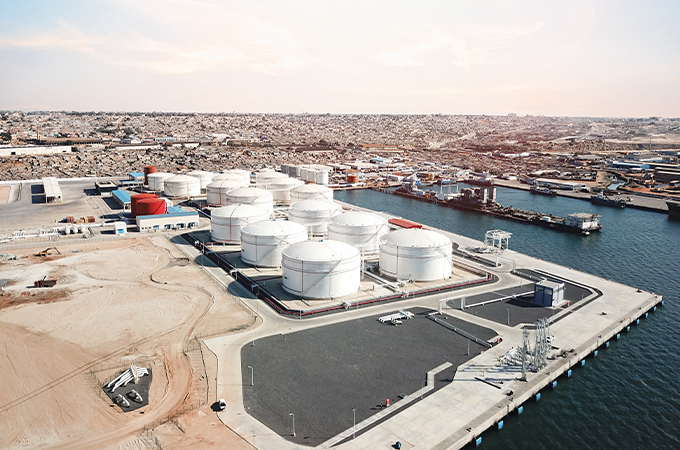
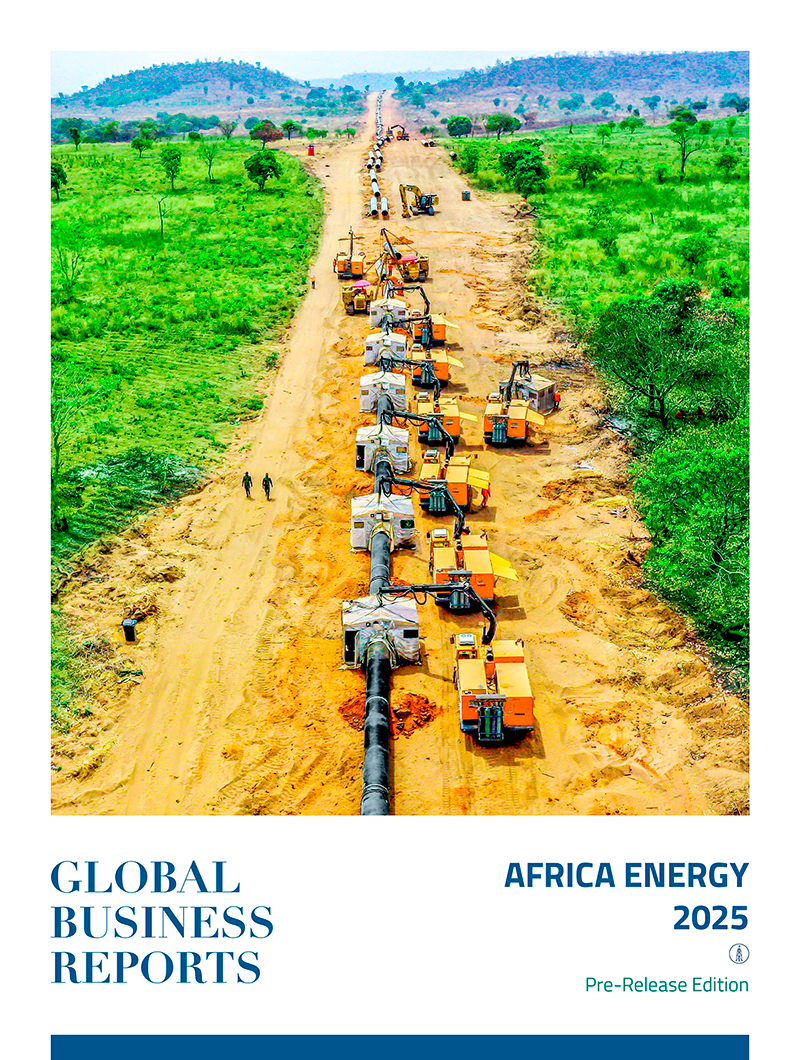
Image courtesy of Pumangol
Investment in the African energy sector continues at a rapid pace, despite a divergence in lender profiles. Some institutional investors, like the World Bank, have decided not to fund upstream projects directly, while European investments have also slowed, including reports that the British government might withdraw funding for Mozambique’s LNG projects. The focus of financiers in Africa is to leverage domestic pension funds, pool resources, and increase interconnectivity to facilitate the flow of more funds for key energy projects. APPO’s Energy Bank, with its headquarters in Abuja, Nigeria, demonstrates the interest of African governments in promoting investment within the continent.
Due to Africa’s energy access challenges and its reliance on biomass, the African Development Bank (AfDB) is supporting natural gas projects and infrastructure upgrades to ensure alignment with development and climate objectives, according to the bank. Fred Kabanda, division manager, extractives, at AfDB, said: “Natural gas in Africa can be a bridge to industrialization and the clean energy transition. Africa is home to an estimated 800 trillion cubic feet of natural gas reserves, concentrated in countries such as Nigeria, Mozambique, Algeria, Egypt, Tanzania and Senegal.”
Natural gas investments are backed by key financial players in Africa, including Standard Bank. Paul Eardley Taylor, Standard Bank’s gas sector lead, said: “We unequivocally believe that natural gas is both a transition and potentially a destination fuel.”
Standard Bank’s significant financial contribution to natural gas includes its backing of the Mozambique LNG project, for which it has provided over US$485 million in financing. The bank also financed Coral South and Coral North, thereby backing both Total’s & Exxon’s projects in the country. Its involvement did not stop there, as Taylor added: “We are also actively involved in the anticipated Rovuma LNG project, which is expected to reach a financial close soon. We have also played roles in projects such as the ROMPCO pipeline between Mozambique and South Africa. Our approach is consistent: we aim to participate wherever we see bankable gas opportunities.”
According to Taiwo Okwor, vice president, investments at Africa Finance Corporation (AFC): “Over the last 12 months, AFC has invested about US$500 million in the energy resources space. These opportunities include financing national oil companies in Angola and Nigeria, as well as acquisition financing.”
Okwor explained that the AFC was closely watching asset divestments by IOCs across Africa, as it supports the growth of Indigenous companies. Discussing the changing profile of Africa-investors, Okwor said: “With increased participation from Middle Eastern financial institutions financing oil and gas, we are seeing new financiers taking over the vacuum left by the European banks that stopped lending.”
In Nigeria, the mass transfer of assets from IOCs to local companies is changing the energy landscape. Ecobank Nigeria, which has experience supporting indigenous E&P companies in acquiring assets divested by IOCs, has a US$1 billion oil and gas portfolio in Nigeria alone. This transition is changing the landscape of operators and service providers, opening up new opportunities. However, local service providers argue that financing locally is too expensive, and banks do not support growth.
The banking sector in Nigeria faces severe challenges, however, which might limit its bank’s options. Kayode Agbalaja, head of oil and gas for Ecobank Nigeria, said: “Nigeria’s rising cost of Dollar funding is due to its sovereign risk profile and macroeconomic volatility. Exchange rate instability, declining Dollar revenues, and inconsistent policy signals have increased investor caution, leading to higher risk premiums and limited access to affordable foreign currency financing.”
Nevertheless, Ecobank continues to grow its oil and gas footprint. Agbalaja continued: “Ecobank has established a dedicated oil and gas team to build capacity in priority markets like Ghana, Côte d’Ivoire, Senegal, Mozambique and Namibia.”
Namibia is attracting the interest of companies across the oil and gas value chain, and local banks have taken notice. The banking sector is busy aligning its practices to the sector, accruing more expertise and clients. First National Bank Namibia (FNB), Namibia’s largest and oldest commercial bank, has identified the cross-compatibility of Namibia’s existing industries with the oil and gas sector. Connie-Marlene Theyse, head of enterprise banking at FNB Namibia said: “FNB has been actively financing and solutioning for the mining sector for decades, gaining valuable expertise and market insights. Many of the financial and risk management principles from the mining sector have synergies with oil and gas, and these position FNB strongly to support the oil and gas sector.”
Despite these synergies, some local companies can face difficulties accessing finance. Iitembu Shituula, coverage manager for oil and gas at Standard Bank Namibia, recommended local companies to partner with international oil and gas brands. He said the bank often received requests for long-term loans based on short-term contracts, which limited the bank’s ability to approve loans. Shituula commented: “There is the issue of foreign currency financing and trade facilities. While Namibia is currently liquid in foreign currency, this could present some foreign exchange control challenges.”
Foreign exchange difficulties are shared with Namibia’s northern neighbour, Angola. The banking sector in Angola, like local service providers, is pushing for greater exposure and involvement in the oil and gas sector across the board. Banco BIC has participated in banking syndicates for the energy sector and is strategically expanding its exposure to natural resources. Hugo Teles, CEO of Banco BIC, said: “We have strategically shifted from primarily serving importers to focusing more on the oil and gas, mining, and agricultural sectors.”
Angola’s seventh-largest bank, Banco Sol, is also growing its interests in oil & gas. Osvaldo Lemas Macaia, Banco Sol’s CEO, said: “We created a dedicated oil, gas, and mining desk to provide financial services to Angolan service companies operating in those sectors. Our goal is to financially support and strengthen their operations to meet the demands of national and international oil and gas companies, particularly in the upstream segment.”
Image courtesy of Pumangol
Investment in the African energy sector continues at a rapid pace, despite a divergence in lender profiles. Some institutional investors, like the World Bank, have decided not to fund upstream projects directly, while European investments have also slowed, including reports that the British government might withdraw funding for Mozambique’s LNG projects. The focus of financiers in Africa is to leverage domestic pension funds, pool resources, and increase interconnectivity to facilitate the flow of more funds for key energy projects. APPO’s Energy Bank, with its headquarters in Abuja, Nigeria, demonstrates the interest of African governments in promoting investment within the continent.
Due to Africa’s energy access challenges and its reliance on biomass, the African Development Bank (AfDB) is supporting natural gas projects and infrastructure upgrades to ensure alignment with development and climate objectives, according to the bank. Fred Kabanda, division manager, extractives, at AfDB, said: “Natural gas in Africa can be a bridge to industrialization and the clean energy transition. Africa is home to an estimated 800 trillion cubic feet of natural gas reserves, concentrated in countries such as Nigeria, Mozambique, Algeria, Egypt, Tanzania and Senegal.”
Natural gas investments are backed by key financial players in Africa, including Standard Bank. Paul Eardley Taylor, Standard Bank’s gas sector lead, said: “We unequivocally believe that natural gas is both a transition and potentially a destination fuel.”
Standard Bank’s significant financial contribution to natural gas includes its backing of the Mozambique LNG project, for which it has provided over US$485 million in financing. The bank also financed Coral South and Coral North, thereby backing both Total’s & Exxon’s projects in the country. Its involvement did not stop there, as Taylor added: “We are also actively involved in the anticipated Rovuma LNG project, which is expected to reach a financial close soon. We have also played roles in projects such as the ROMPCO pipeline between Mozambique and South Africa. Our approach is consistent: we aim to participate wherever we see bankable gas opportunities.”
According to Taiwo Okwor, vice president, investments at Africa Finance Corporation (AFC): “Over the last 12 months, AFC has invested about US$500 million in the energy resources space. These opportunities include financing national oil companies in Angola and Nigeria, as well as acquisition financing.”
Okwor explained that the AFC was closely watching asset divestments by IOCs across Africa, as it supports the growth of Indigenous companies. Discussing the changing profile of Africa-investors, Okwor said: “With increased participation from Middle Eastern financial institutions financing oil and gas, we are seeing new financiers taking over the vacuum left by the European banks that stopped lending.”
In Nigeria, the mass transfer of assets from IOCs to local companies is changing the energy landscape. Ecobank Nigeria, which has experience supporting indigenous E&P companies in acquiring assets divested by IOCs, has a US$1 billion oil and gas portfolio in Nigeria alone. This transition is changing the landscape of operators and service providers, opening up new opportunities. However, local service providers argue that financing locally is too expensive, and banks do not support growth.
The banking sector in Nigeria faces severe challenges, however, which might limit its bank’s options. Kayode Agbalaja, head of oil and gas for Ecobank Nigeria, said: “Nigeria’s rising cost of Dollar funding is due to its sovereign risk profile and macroeconomic volatility. Exchange rate instability, declining Dollar revenues, and inconsistent policy signals have increased investor caution, leading to higher risk premiums and limited access to affordable foreign currency financing.”
Nevertheless, Ecobank continues to grow its oil and gas footprint. Agbalaja continued: “Ecobank has established a dedicated oil and gas team to build capacity in priority markets like Ghana, Côte d’Ivoire, Senegal, Mozambique and Namibia.”
Namibia is attracting the interest of companies across the oil and gas value chain, and local banks have taken notice. The banking sector is busy aligning its practices to the sector, accruing more expertise and clients. First National Bank Namibia (FNB), Namibia’s largest and oldest commercial bank, has identified the cross-compatibility of Namibia’s existing industries with the oil and gas sector. Connie-Marlene Theyse, head of enterprise banking at FNB Namibia said: “FNB has been actively financing and solutioning for the mining sector for decades, gaining valuable expertise and market insights. Many of the financial and risk management principles from the mining sector have synergies with oil and gas, and these position FNB strongly to support the oil and gas sector.”
Despite these synergies, some local companies can face difficulties accessing finance. Iitembu Shituula, coverage manager for oil and gas at Standard Bank Namibia, recommended local companies to partner with international oil and gas brands. He said the bank often received requests for long-term loans based on short-term contracts, which limited the bank’s ability to approve loans. Shituula commented: “There is the issue of foreign currency financing and trade facilities. While Namibia is currently liquid in foreign currency, this could present some foreign exchange control challenges.”
Foreign exchange difficulties are shared with Namibia’s northern neighbour, Angola. The banking sector in Angola, like local service providers, is pushing for greater exposure and involvement in the oil and gas sector across the board. Banco BIC has participated in banking syndicates for the energy sector and is strategically expanding its exposure to natural resources. Hugo Teles, CEO of Banco BIC, said: “We have strategically shifted from primarily serving importers to focusing more on the oil and gas, mining, and agricultural sectors.”
Angola’s seventh-largest bank, Banco Sol, is also growing its interests in oil & gas. Osvaldo Lemas Macaia, Banco Sol’s CEO, said: “We created a dedicated oil, gas, and mining desk to provide financial services to Angolan service companies operating in those sectors. Our goal is to financially support and strengthen their operations to meet the demands of national and international oil and gas companies, particularly in the upstream segment.”